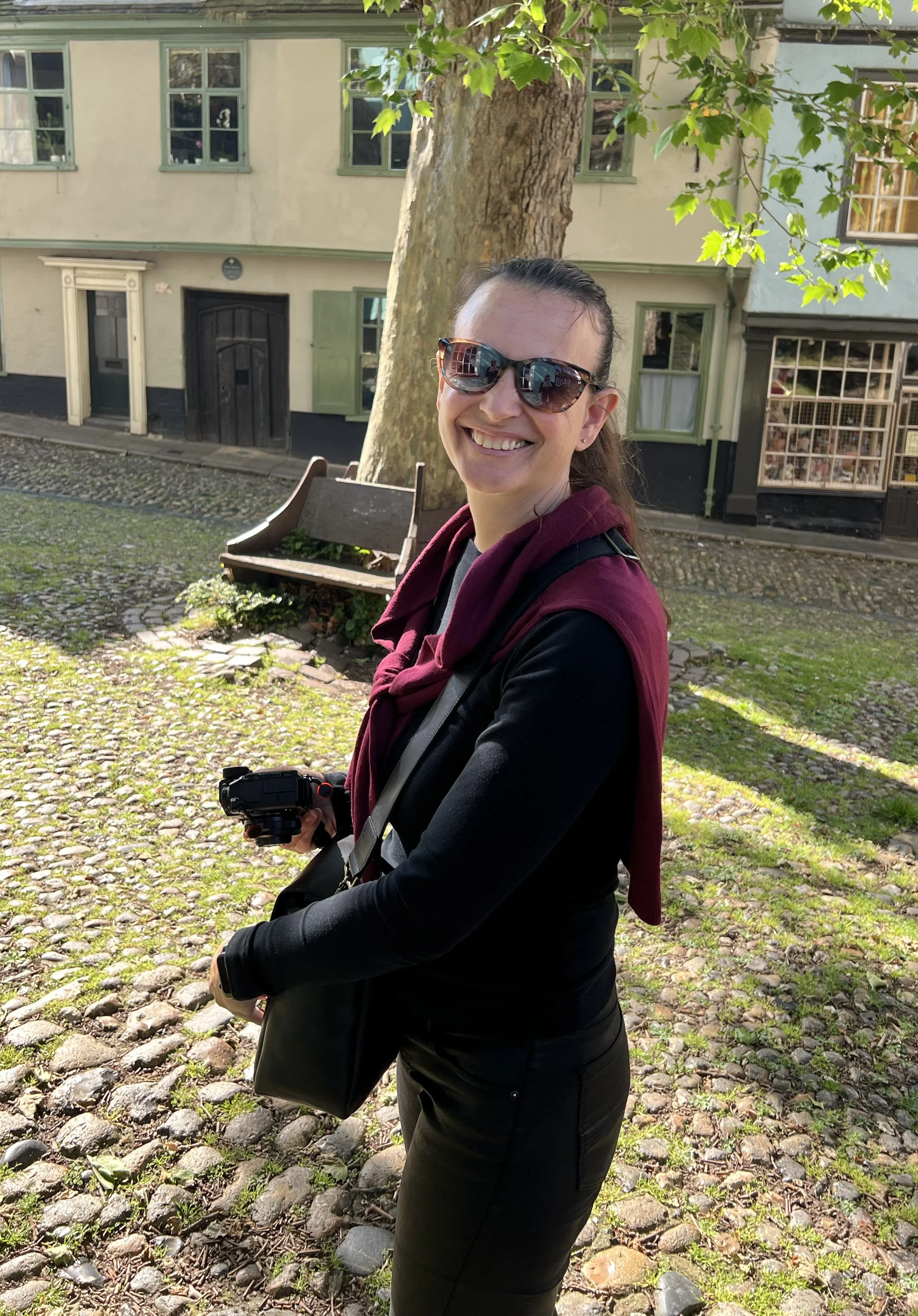
I currently am a Professor of Japanese History and History of Ideas at Kyushu University, where I am a founding faculty member of the International Master’s Program (IMAP) in Japanese Humanities (2011) and the International Doctorate (IDOC) in Japanese Humanities (2017). In 2016, I co-founded the Journal of Asian Humanities at Kyushu University (JAH-Q) and have served as its Editor in Chief since 2022.
My expertise lies at the intersection of history and archaeology during the Asuka, Nara, and early Heian periods (6th through early 9th c.). Much of my work examines the reign of Kanmu Tennō (r. 781–806) and the layout of Japan’s ancient gridiron capital cities, and draws extensively on ink-inscribed wooden tablets (mokkan).
Continuing from my work on the physical layout of capital cities, my research delves into site divination (popularly known as geomancy or fengshui) in premodern East Asia. I examine how these systems of thought influenced not only ancient urban planning, but continue to leave a mark on Shinto shrines and contemporary Japanese architecture.
My primary research currently centers on Heian Jingū and the Jidai Matsuri (Festival of the Ages), where I investigate the dynamics behind the reconstruction of long-lost architecture and the invention of new traditions based on idealized reconstructions of the past. This project also tracks the evolution of the shrine and the festival from their nineteenth-century origins to the present.
Expanding upon my interest in the built environment, my newest project shifts focus from the finished structures—the cities, palaces, and government buildings—to the human labor force behind them. By examining the lives and livelihoods of ancient artisans and construction workers, I aim to uncover the social realities of the people who physically created Japan’s early urban landscapes.